Natural Light Solutions: Examining Different Types of Rooflights
Natural light plays a vital role in building and architectural design. It improves visual appeal while supporting energy efficiency. Multiple rooflight choices, spanning traditional skylights to innovative tubular designs, present unique advantages. Each type caters to different needs and preferences, influencing both the interior environment and overall functionality. Understanding these options is essential for anyone considering how to effectively incorporate natural light into their spaces. What criteria should guide the decision when identifying the perfect rooflight solution?
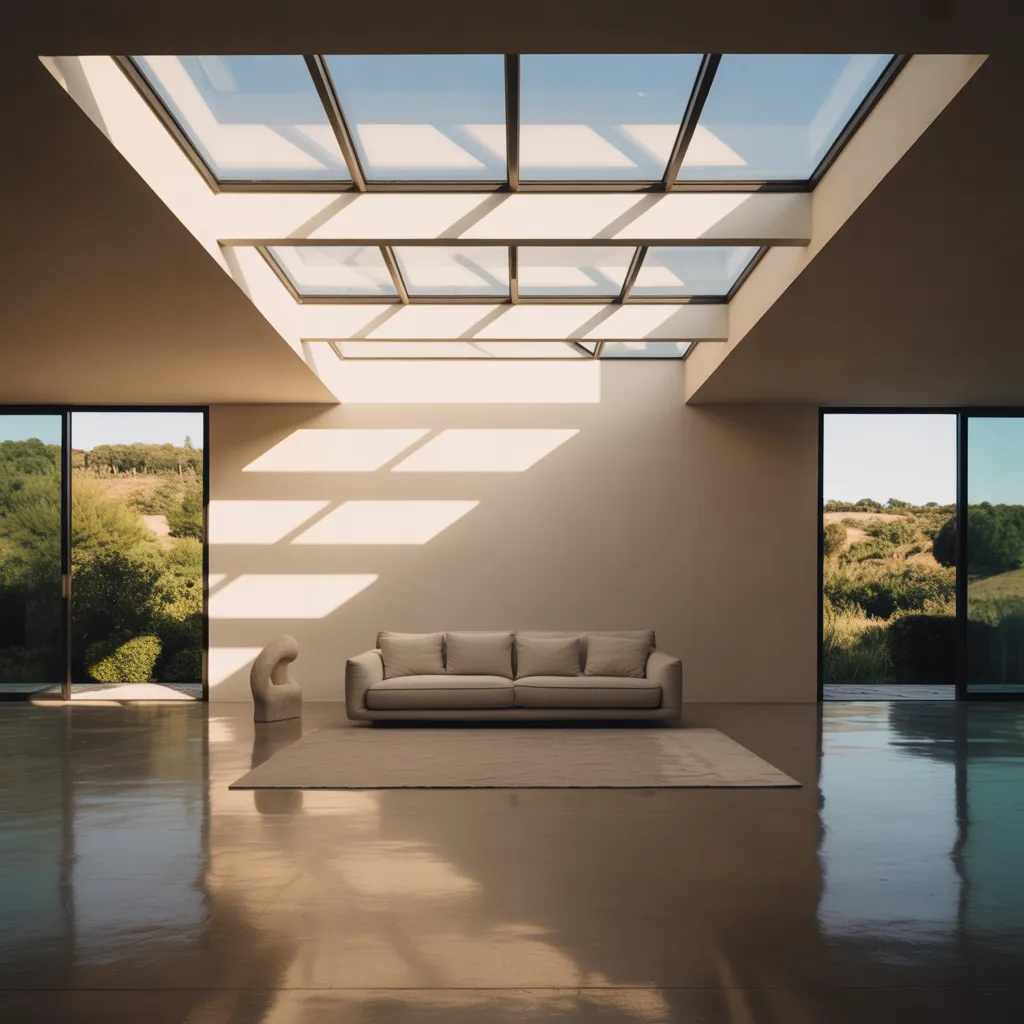
The Importance of Natural Light in Architecture
Natural light greatly enhances architectural design, as it goes beyond illuminating spaces to influence the mood and functionality of interiors. It cultivates a relationship between the interior spaces and the outdoors, enhancing the wellness of those within. Design professionals utilize natural light to develop vibrant spaces that transform across daylight hours, reshaping the mood and enriching the visual experience.
In addition, the use of natural light can lower dependence on artificial lighting, leading to lower energy usage and expenses. In residential settings, it can make rooms feel more open and welcoming, while in commercial spaces, it can enhance output and inventiveness. The deliberate arrangement of windows and openings increases daylight penetration, enhancing the benefits of sunlight. Moreover, natural light can highlight the true hues and surfaces of materials, elevating the overall beauty of a structure. All in all, the integration of natural light in architecture is fundamental for environmentally responsible and health-focused design.
Standard Skylights: Enduring Elegance United with Functionality
Traditional skylights offer a blend of timeless design and practical functionality, elevating both the decorative value and energy effectiveness of a room. Their flexibility permits blending into a wide range of architectural frameworks, establishing them as a preferred selection for residents and architects alike. By harnessing the full potential of natural light, these additions foster a more eco-friendly and appealing living space.
Versatility In Design And Visual Appeal
Skylights seamlessly blend classic elegance with functional design, delivering a classic aesthetic that elevates any architectural style. Their flexibility permits installation in both conventional and contemporary structures, making them a desirable selection for numerous applications. Available in various shapes, sizes, and materials, skylights can complement any design vision while maximizing natural light influx. They can be customized with features such as tinted or frosted glass, allowing homeowners to attain their preferred privacy and atmosphere. Additionally, traditional skylights can serve as focal points, guiding the gaze upward and establishing a sense of openness. The perfect equilibrium of form and function makes skylights a lasting choice, enhancing interiors while delivering the splendor of natural illumination.
Energy Efficiency Benefits
Adding skylights not only enhances aesthetic appeal but also markedly improves energy efficiency. Standard skylights permit natural light to pour into interior spaces, minimizing the need for artificial lighting during daylight hours. This reduction in energy consumption can lead to significant cost savings on electricity bills. Furthermore, today's skylights are commonly constructed with thermally efficient glazing that limits heat loss in colder months and heat gain in warmer months, supporting a more balanced indoor atmosphere. By harnessing sunlight, these installations can decrease the try now burden on heating and cooling units, consequently reducing overall energy expenditure. Consequently, conventional skylights not only improve the atmosphere of a room but also serve a vital function in advancing sustainable living via improved energy efficiency.
Contemporary Lanterns: Elegant Options for Natural Lighting
Today's lanterns deliver a blend of design versatility and aesthetic appeal, making them an attractive choice for improving natural light access in various spaces. Their sleek lines and customizable options support smooth blending with a variety of architectural styles while contributing to energy efficiency. As a result, these fixtures not only light up interior spaces but also encourage environmentally conscious living.
Aesthetic Flexibility and Design
Visual balance in structural planning often depends on the natural blending of natural light, and lanterns function as sophisticated options for improving light penetration. These flexible designs can be tailored to suit diverse design sensibilities, from modern minimalism to timeless refinement. Their refined forms and varied configurations allow for creative expression, while also meeting practical requirements. Lanterns can be strategically positioned to define perspectives, enhance spatial dimensions, or serve as centerpieces in a room. Furthermore, the use of high-quality materials, such as tempered glass and refined metal, ensures durability and visual appeal. By marrying form and function, modern lanterns not only illuminate spaces but also enrich the surrounding environment, creating atmospheres that are simultaneously warm and motivating.
Advantages of Energy Efficiency
When optimizing natural light in architectural environments, energy efficiency presents itself as a notable advantage of using lanterns. These modern structures enhance daylight access, minimizing the need for artificial lighting during daylight hours. By capturing and leveraging natural light, lanterns help reduce overall energy consumption, bringing about reduced utility costs and a diminished carbon footprint. The design typically integrates energy-efficient glazing that limits heat loss, additionally improving indoor temperature regulation. Additionally, the strategic placement of lanterns can improve ventilation, encouraging a cleaner and healthier indoor atmosphere. Therefore, modern lanterns not only improve aesthetic qualities but also serve as a sustainable solution, harmoniously merging energy efficiency with design and utility, making them an increasingly popular choice in contemporary architecture.
Advanced Tubular Rooflights: Compact Daylight Options
Cutting-edge tubular rooflights provide a functional approach for boosting natural light in rooms with minimal roof availability. Constructed as compact, cylindrical structures, these skylight systems expertly funnel natural light from the exterior roof surface into indoor spaces that could otherwise suffer from inadequate lighting. Their elegant profile facilitates hassle-free fitting in numerous applications, including both homes and commercial properties.
The highly reflective interiors of tubular rooflights improve light distribution, ensuring even distribution throughout the space. This feature not only illuminates interior spaces but also fosters a warmer and more comfortable ambiance. Furthermore, tubular daylight systems are often energy-efficient, reducing reliance on artificial lighting during daylight hours.
Offered in multiple sizes and styles, they can be tailored to meet particular aesthetic and functional needs. By integrating cutting-edge tubular rooflights, property owners can enjoy the benefits of daylight without compromising on space, making them a perfect solution for urban environments and smaller buildings.
How to Select the Perfect Rooflight for Your Space
Picking the right rooflight for a room requires close attention of multiple factors to guarantee ideal daylighting and efficiency. To begin, the direction of the building plays a significant role, as south-oriented rooflights can maximize sunlight, while north-facing options deliver uniform, diffused light. Moreover, the size and shape of the rooflight should match the interior's measurements and appearance, ensuring a balanced integration.
The type of glazing is also important; selections such as self-cleaning or low-emissivity glass can boost energy efficiency and reduce maintenance demands. Moreover, the purpose of the space plays a role in determining the right option; areas requiring natural ventilation may benefit from opening rooflights. Finally, local planning requirements and environmental factors should be evaluated to verify compliance and structural resilience. By weighing up these considerations, one can identify a rooflight that optimally increases natural light and harmonises with the overall design of the space.
What You Should Know Before Installing Rooflights
Before installing rooflights, several crucial aspects need to be addressed to guarantee a successful integration into the building. Initially, the structural integrity of the roof must be assessed, confirming that it can accommodate the extra weight and alterations. Local building regulations and planning permissions are also crucial; familiarising yourself with these requirements can help circumvent future problems.
Additionally, the alignment of the rooflight affects natural light absorption, so careful positioning is vital for ideal illumination. Furthermore, the type of glazing is important for long-term performance and insulation; selecting materials that minimize heat loss while maximizing light is paramount.
Furthermore, potential water ingress needs to be managed through effective sealing and water management systems. All of these considerations contributes to the performance and durability of rooflight installations, rendering detailed planning necessary for every installation undertaking.
Boosting Energy Efficiency With Rooflights
Whilst many homeowners look for aesthetic upgrades via rooflights, their capacity to enhance energy efficiency is equally important. Rooflights permit natural light to fill interior spaces, reducing the reliance on artificial lighting during daytime hours. This purposeful harnessing of daylight can result in lower energy bills and a smaller carbon footprint.
Additionally, modern rooflights often incorporate thermally efficient glazing, which helps regulate interior temperatures by minimizing heat loss in winter and stopping overheating in the warmer months. Such thermal performance promotes a highly comfortable interior space, minimising the requirement for climate control systems.
In addition, the merging of rooflights with smart technology can improve energy management. Automated systems can regulate shading depending on sunlight conditions, ensuring peak efficiency. By leveraging the benefits of natural light, homeowners can develop a green living space that not only improves aesthetics but also encourages energy efficiency and sustainable practices.

Common Questions and Answers
How Do Rooflights Impact Indoor Temperature Regulation?
Skylights significantly impact indoor temperature regulation by permitting natural light to penetrate, decreasing dependence on artificial lighting and heating. They are capable of sustaining a well-regulated thermal atmosphere, improving comfort levels and energy efficiency throughout the interior.
Do Rooflights Work Well on Flat Roofs?
Rooflights are certainly well-suited for flat roofs, providing natural light and enhancing the aesthetic appeal. They require careful installation and maintenance to guarantee proper drainage and prevent leaks, rendering them a favoured option for modern architecture.
What Maintenance Do Rooflights Require?
Rooflights demand routine upkeep, such as cleaning the glazing to prevent dirt buildup, inspecting seals for leaks, assessing for any structural damage, and confirming that drainage remains unobstructed. Such upkeep sustains optimal performance and increases the service life of the installation.
Are Rooflights Suitable for Installation in Existing Structures?
Absolutely, rooflights may be installed in buildings that are already standing. Adequate planning and a professional structural evaluation are necessary to ensure that the installation is safe and compatible. Professional installation is recommended to address potential challenges and maximize the value of daylight.
What Are the Most Popular Materials Used in Rooflights?
Typical materials employed for rooflights consist of polycarbonate, acrylic, and glass. Each option delivers notable qualities, including durability, transparency, and insulation properties, rendering them ideal for a range of architectural uses and design preferences.